Early intervention is one of the crucial elements in the development of children with autism spectrum disorder (ASD), as well as other developmental disabilities. The earlier the intervention is carried out, the more effective this help will be.
This is where applied behavioral analysis (ABA) comes in, a well-established therapy for people with autism that has been shown to make a significant difference in the lives of children and their families. This is the perfect time to explore the benefits of ABA and to begin this transformative therapy.
The Neurodevelopmental Window of Opportunity
The most critical time in a child’s life is early childhood, when brain development takes off. During this time, the neural circuits for learning, language, social interaction, and emotional regulation experience very rapid growth and refinement. Research has shown that early intervention for any learning issues takes advantage of the brain’s plasticity, and this helps to improve the potential for positive outcomes.
With its systematic approach to shaping behavior and teaching new skills, ABA therapy aligns with the brain’s ability to learn and absorb information during these formative years. Therefore, by introducing structured interventions during this critical period, children are more likely to develop essential skills that will serve as a foundation for their prosperous growth in the future.
Addressing the Core Deficits of Autism
Core deficits in communication, social interaction, and repetitive or restricted behaviors characterize autism spectrum disorder (ASD). Early intervention with ABA therapy addresses these deficits by focusing on specific skills and behaviors in a structured, individualized way. By identifying and addressing challenges early, ABA therapists can intervene before maladaptive patterns become entrenched, paving the way for more adaptive functioning and a better quality of life.
We also know that ABA therapy uses individualized treatment plans that are tailored to the needs of each child, focusing on areas such as language development, social skills, and independent living skills. These plans seek to systematically reinforce positive behaviors and discourage maladaptive behaviors, and thus, ABA therapy helps children develop functional skills that will help them improve their daily lives.
Principles of Behavior Modification in ABA Therapy
Behavior modification is the foundation of applied behavior analysis (ABA) therapy, as it provides a structured approach to helping children develop essential life skills. By
systematically analyzing behavior and applying evidence-based strategies, ABA therapy is able to promote positive change and long-term growth in children’s skills. Therefore, early intervention plays a crucial role, ensuring that these strategies are implemented at the right time, thereby maximizing their effectiveness.
Here’s how behavior modification works in ABA therapy:
- Systematic behavior analysis: ABA therapy first carefully assesses behaviors to identify patterns and apply specific interventions tailored to these patterns.
- Early implementation: The earlier strategies are introduced, the more effective they are at shaping positive behaviors and reducing challenging ones.
- Foundation for growth: ABA lays the foundation for lifelong learning, social development, and independent functioning.
- Reinforcement techniques: Positive reinforcement strengthens desirable behaviors, increasing the likelihood that they will occur in the future.
- Improved responses: Children learn to respond appropriately to social and environmental cues over time.
- Improved skills: ABA therapy also fosters improvements in communication, self-regulation, and social interaction, equipping children with the tools necessary to succeed.
Understanding Social and Communication Development
Social communication deficits are considered one of the hallmarks of ASD and often present significant challenges to interpersonal relationships and social integration for those with autism. Early ABA interventions, therefore, focus on developing fundamental social skills such as joint attention, imitation and turn-taking, which form the building blocks of social interaction. By addressing these skills early in development, ABA therapy improves a child’s ability to relate to others and navigate social situations much more effectively.
Many children with autism are known to have difficulty understanding social cues and engaging in reciprocal conversations. ABA therapy provides individualized teaching methods that help children recognize facial expressions, gestures, and tones of voice—essential features for meaningful social interactions. Over time, these skills contribute to increased confidence and improved relationships with peers and family members.
Family Involvement and Support
Early intervention with ABA therapy recognizes that families are crucial in supporting a child’s development. Therefore, ABA therapists must work closely with parents and caregivers to provide ongoing education, training, and support in implementing behavioral strategies at home and in the community.
By actively empowering families to participate in the therapeutic process, early ABA interventions can extend beyond the clinical setting, fostering consistent and meaningful progress in the child’s natural environment.
It is also important to note that one of the key benefits of family involvement in ABA therapy is the ability to generalize the skills learned in therapy to real-life situations. By actively involving parents or caregivers, they can apply reinforcement techniques, encouragement strategies, and behavior management methods to help their child succeed in everyday settings, such as school, social gatherings, and home routines.
Structured and Naturalistic Learning Environments in ABA Therapy
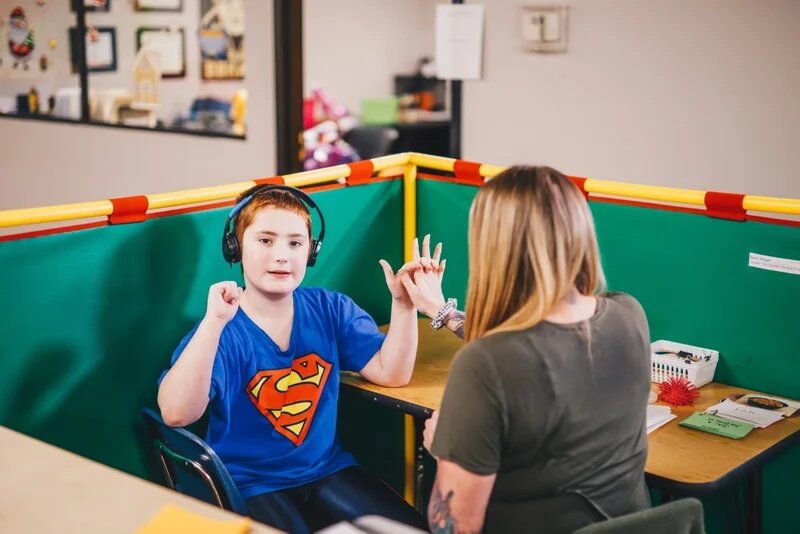
ABA therapy can be conducted in both structured and naturalistic environments, each offering unique benefits for a child’s development. The key is to create an engaging and supportive environment where learning feels natural, enjoyable, and not forced.
So, whether it’s in a structured classroom or a play-based environment, consistency and individualized support are essential to the success of this therapy.
Here’s how ABA therapy fits into different learning environments:
- Flexible learning environments: Therapy can be conducted in highly structured environments or in more naturalistic, play-based environments based on the needs of the child.
- Focus on participation: The most important factor is to ensure that the child is relaxed, engaged, and learning from a place of joy.
- Consistency is key: Whether a child receives 10 or 40 hours of therapy per week, maintaining a consistent focus improves progress.
- Individualized Goals: Therapy is tailored to each child, with a personalized treatment plan designed to address specific developmental needs.
- Data-Driven Approach: Therapists track progress through regular assessments and adjust interventions as needed to maximize learning outcomes.
- Family Partnership: Parents and caregivers play a critical role, working alongside therapists to reinforce learning at home and in everyday life.
Measuring Progress and Long-Term Benefits
As with all therapy and research, progress must be measured over time. This also helps therapists provide parents with accurate feedback when concerns arise about whether therapy is working or how long it will take to see improvement. The answer will always depend on each child’s therapy plan and individual needs. That’s why ABA therapy is
data-driven, meaning progress is continually monitored through measurable outcomes, and celebrating both big and small steps toward progress is an essential part of the therapeutic process.
Early intervention ABA therapy also teaches parents how to support their children in acquiring appropriate behaviors in their natural environment. Families are encouraged to “graduate” from therapy once children acquire new skills appropriately without intensive intervention. This transition means the child has acquired the tools necessary to continue learning and developing independently.
Empowering Children for a Brighter Future
Pursuing ABA therapy for a child allows parents to equip them with the tools necessary to succeed in educational settings and later in adulthood. Watching a child learn and grow, no matter their obstacles, is one of the greatest gifts a parent can give. Early intervention ABA therapy can provide children with the skills to communicate, interact, and navigate their world more effectively, leading to greater independence and a better quality of life.
The benefits of ABA therapy even extend beyond childhood. Research shows that people who receive early intervention ABA therapy are more likely to develop self-sufficiency, maintain employment, and build meaningful relationships as they move into adulthood. By investing in early intervention, families are giving their children the best start possible, setting them up for long-term success.
Final Thoughts
So, early intervention ABA therapy is a powerful tool to help children with autism and other developmental disabilities reach their full potential. By harnessing the brain’s neuroplasticity, addressing core deficits early, and incorporating behavior modification techniques, ABA therapy lays the foundation for lifelong success. Family involvement, structured learning environments, and consistent reinforcement further enhance the effectiveness of early intervention.
So, if you’re considering ABA therapy for your child, now is the time to take the first step. The earlier the intervention occurs, the greater the potential for positive change. Adapt for Life is committed to providing high-quality ABA therapy, ensuring each child receives the individualized support they need to thrive.
Contact us today to learn how early intervention can transform your child’s future.
IMPORTANT: This written material has been prepared based on sources you provided or the writer found. No claims are made whatsoever regarding the accuracy of the information contained within, and you are solely responsible for any legal or financial difficulties resulting from using this written material. You are encouraged to review it thoroughly before disseminating it or using it.
SOURCES USED:
https://aflaba.com/
https://behavioral-innovations.com/blog/the-importance-of-early-intervention/#:~:text=Early% 20intervention%20through%20ABA%20can,the%20workplace%2C%20and%20personal%2 0life.
https://qbssocal.com/the-importance-of-early-intervention-with-aba-therapy/ https://acornhealth.com/aba-therapy/the-value-of-early-intervention-aba-therapy/