
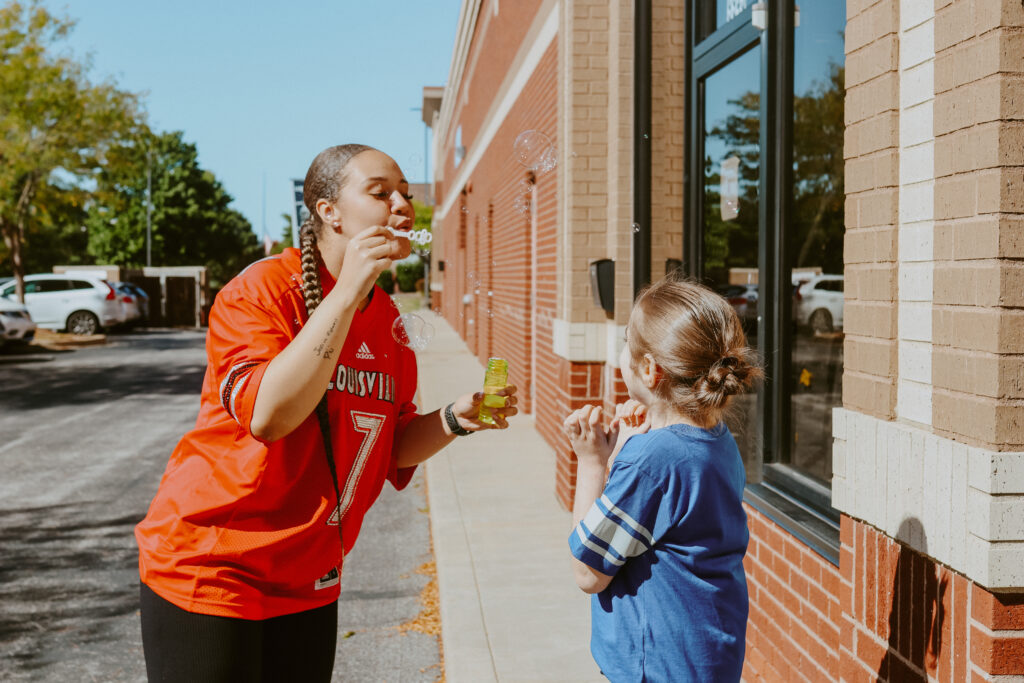
For many families, summer is a time of joy, play, and connection. But for families raising children with Autism or other developmental differences, the change in routine, new environments, and sensory overload that summer can bring may also create moments of stress or uncertainty.
At Adapt for Life, we understand the importance of structure, predictability, and mindful engagement—especially when routines shift. That’s why we’ve gathered some of our favorite sensory-friendly summer activities and crafts designed to help your child feel supported, engaged, and successful during the warmer months. These ideas are easy to set up, flexible to your child’s needs, and backed by strategies rooted in Applied Behavior Analysis (ABA).
For parents seeking connection, calm, or a bit of creative chaos (the good kind), this list has something to help you make meaningful summer memories together.
1. Bring the Backyard to Life with a DIY Obstacle Course
You don’t need fancy equipment, just a few household items and a little imagination. Pool noodles become tunnels or hurdles, sidewalk chalk creates balance lines, and a plastic laundry basket can be the “goal” at the end of the course.
Why kids love it: It gives them a chance to move, jump, crawl, and climb. That kind of physical input can be really regulating for many children, especially those who seek proprioceptive or vestibular input.
Why parents love it: It’s a fun way to practice sequencing, following directions, and taking turns. You can even create a simple visual map with icons or photos showing each “station.”
Try this: Use simple prompts like “first crawl under, then jump,” and celebrate each accomplishment—whether that’s a high-five, a sticker, or just genuine encouragement.
2. Water Play That Works for Everyone
Water play is a summertime classic, and for good reason: it’s fun, soothing, and can easily be adapted to your child’s sensory preferences. Some children love splashing in a kiddie pool, while others might prefer a quieter activity, like pouring water between containers or using droppers and sponges.
Ideas to explore:
- Water tables with cups and funnels
- Frozen toys in ice for melting experiments
- Sprinkler tunnels for those who love big sensory input
To keep things comfortable, consider the sensory details: temperature, texture, and noise level. A shaded space with a towel nearby for drying off can make the whole experience feel more grounded.
Tip: Use language-building opportunities like “fill,” “pour,” “splash,” and “stop,” and reinforce participation with praise, tokens, or a turn at a favorite toy.
3. Create Your Own Nature Scavenger Hunt
A walk in the park or a stroll through the backyard can become an adventure with a little structure. Try making a scavenger hunt with visuals: a green leaf, a smooth rock, a bird, a flower, or even the sound of rustling leaves.
What’s happening behind the scenes: You’re not just taking a walk—you’re working on attention, sensory integration, and language skills. When your child picks up a rock and tells you it’s “bumpy,” they’re engaging with texture, expanding vocabulary, and building confidence.
Let them collect treasures in a small bag or bucket, and take time afterward to look at what they found. Sorting and labeling items is a great follow-up activity.
4. Crafting for Calm and Creativity
Craft projects can be as simple or as structured as you like. Some children benefit from open-ended creativity, while others feel more confident when steps are broken down clearly.
Go-to favorites:
- Painting rocks with fun faces or nature designs
- Creating calming sensory bottles with water, glitter, and beads
- Making “lava lamps” with oil, food coloring, and fizzing tablets
- Pressing flowers into homemade cards
Support with structure: Try using visual steps or modeling each action. If a craft has multiple parts, prompt one step at a time and offer gentle praise as each one is completed.
And remember, crafting doesn’t have to look “perfect.” The goal is connection, creativity, and sensory exploration.
5. Simple Snacks, Big Skills
Inviting your child into the kitchen can be a powerful way to teach independence, sequencing, and basic life skills. Start with no-bake recipes or snack stations where your child can build their own treat with guidance.
Easy wins:
- Fruit kabobs with pre-cut pieces
- Make-your-own trail mix with scoops and jars
- Smoothie blending with pre-measured ingredients
As you go, talk through the steps: “First we put the banana in, then the yogurt.” Use visuals if it helps, and don’t be afraid to get a little messy! Every squish, scoop, and stir is helping build confidence and motor coordination.
6. Sensory Bins for Quiet Engagement
Sensory bins are a wonderful way to offer soothing, structured exploration. They’re also easy to tailor to your child’s interests and sensory profile.
Ideas to try:
- Kinetic sand with toy figures or shells
- Dyed rice with scoopers and funnels
- Water beads with floating toys
- Ice cube digging with small warm-water droppers
Some children find these activities calming, while others are excited to dive in. Watch your child’s cues and adjust accordingly—there’s no right way to engage, just what works for them.
ABA tip: Narrate the activity in simple terms: “You’re pouring the rice,” “That one feels cold.” Labeling helps build understanding and communication.
7. Make Music and Movement Part of the Day
Sometimes, all you need is a little rhythm to shift the energy. Music and movement activities can range from full-on dance parties to simple clapping games or following rhythm patterns.
Try:
- Dancing with scarves to gentle music
- Marching to the beat of a drum
- Stomping on bubble wrap to different rhythms
Even just shaking a homemade maraca or swaying in a rocking chair with soft music playing can be regulating. Choose activities that fit your child’s energy and comfort level.
8. Create a Calming Cool-Down Space
All of this activity can be wonderful but every child benefits from downtime. Creating a predictable, comfortable space for your child to relax can help prevent meltdowns and encourage self-regulation.
Your calming corner might include:
- Soft pillows or a small tent
- Weighted blankets or lap pads
- Headphones with quiet music
- Fidget toys or books
- A visual timer for transition cues
Use this space consistently, not just when your child is overwhelmed. It becomes a place of comfort and control, not punishment or exclusion.
Building Structure Into Summer
The beauty of these activities isn’t just in the fun, they offer opportunities to build routines, reinforce skills, and promote growth in a natural, playful way. That’s the heart of what we do at Adapt for Life: helping children learn and thrive in the environments where they feel safe, seen, and successful.
Here are a few simple ways to structure your summer days:
- Use visual schedules. A chart with icons or photos that show what’s coming next can reduce anxiety and increase cooperation.
- Keep transitions predictable. A five-minute warning or countdown helps ease into new activities.
- Celebrate progress. Whether it’s finishing a craft, trying a new texture, or waiting their turn, every small win matters.
- Stay flexible. Some days will be smooth; others might be harder. That’s okay. Meeting your child where they are is part of the journey.
We’re Here to Help
At Adapt for Life, we’re here to help your family make the most of every season. Our ABA therapy programs are designed with each child’s strengths and needs in mind, and we’d love to partner with you in building a summer that works—for your child, and for you.
If you’d like help personalizing summer strategies or continuing therapy during the break, reach out to our team. Together, we can create a summer full of confidence, calm, and joy.
Adapt for Life. Because every child deserves a summer that feels safe, supported, and fun.